Spring Hand Embroidery Digital Papers Review
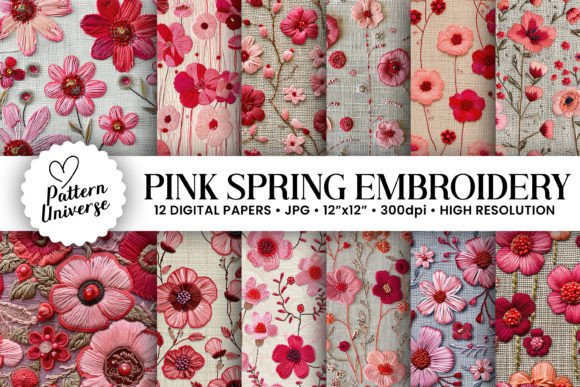
As an embroidery designer who has spent years translating digital concepts into tangible, stitched heirlooms, I approach every new asset with a mix of excitement and skepticism. When Spring Hand Embroidery Digital Papers landed on my desk for testing, I didn’t just see a pattern pack; I saw potential inventory for our personalized gift shop. The promise of "12 Pink Red Spring Hand Embroidery Seamless Patterns" generated to look like authentic hand work is compelling, but the real question remains: does it hold up when transferred from screen to fabric? This review explores how these Patterns and Graphics perform in a real-world commercial setting.
First Impressions: Mood and Emotional Appeal
The immediate charm of this collection lies in its versatility. The pink and red palette evokes a sense of warmth that is neither overly aggressive nor too timid. It strikes a balance between romantic and playful, making it ideal for spring-themed collections. For a small business owner looking to refresh their Etsy listings, the aesthetic feels fresh yet classic. The designs mimic the irregularity and softness of hand stitching, which adds a layer of perceived value that machine-perfect vectors often lack.
From a design perspective, the detail level is impressive. These aren’t just flat shapes; they have texture and depth. This is crucial for personalized gift products because customers today are savvy. They can tell the difference between a cheap print and something that looks like it was crafted with care. The seamless nature of the patterns allows for endless repetition, which is perfect for wrapping paper or large-scale background elements on pillow covers.
Real-World Application: From Screen to Stitch
To truly test the viability of these files, I imagined specific customer scenarios. Let’s start with a high-demand item: a baby blanket. A mother-to-be often wants something that feels nurturing and soft. Using one of the delicate pink floral motifs from this set as the central focus on a white muslin blanket creates an instant emotional connection. The baby embroidery market thrives on these gentle, sweet aesthetics. If you are a maker specializing in nursery decor, these designs offer a ready-made solution that requires minimal modification.
Another strong candidate is the wedding gift sector. Couples are increasingly moving away from generic registry items toward custom keepsakes. Imagine a set of monogrammed kitchen towels featuring a subtle, repeating border from this collection. The wedding gift industry values elegance and personalization. The red accents in the design can be tied to a bride’s favorite color, creating a bespoke feel without requiring a full custom commission. Similarly, for custom tote bags, a single embroidered motif placed near the handle offers a sophisticated touch that elevates a simple canvas bag into a fashion accessory.
For the Etsy seller or small shop product creator, the versatility extends to digital mockups. Before committing to physical production, you can use these graphics to create printable mockup images for your online store. This allows you to test marketing angles and see how the design interacts with different product backgrounds. The seamless aspect is particularly useful here, as it allows you to fill entire backgrounds in your photography setups, creating a cohesive brand image.
Product Versatility Beyond Clothing
While apparel is a staple, these designs shine in home goods. An embroidered towel for a housewarming gift becomes significantly more special with this intricate pattern. The same applies to aprons for the home baker or decorative pillow covers for a living room refresh. The key is matching the scale of the pattern to the size of the product. Large patterns work well on blankets and wall hangings, while smaller, denser details might be better suited for coasters or small pouches.
Technical Considerations and Potential Pitfalls
No design is without its challenges. As a professional, I must advise caution regarding where and how these patterns are applied. The intricate nature of hand-embroidery simulations can sometimes lose clarity if not executed correctly.
- Fabric Texture: Thick fabrics like terry cloth on embroidered towels can obscure fine details. Test on scrap fabric first to ensure the stitch definition remains crisp.
- Delicate Details: Avoid using the smallest elements of the pattern for small lettering or tiny logos. They may become illegible after washing.
- Stretchy Materials: Be cautious when applying these designs to stretchy baby clothes or knitwear. Without proper stabilization, the pattern may pucker or distort.
- Curved Surfaces: Applying seamless patterns to curved surfaces like tumblers requires careful planning. The transition points may need manual adjustment to avoid visible breaks.
- Dark Fabrics: While the pink and red tones are vibrant, they may require underlay stitches or specific thread choices to pop against dark backgrounds. Always compare light and dark fabric mockups before finalizing.
Impact on Giftability and Perceived Value
In the world of handmade goods, presentation is everything. Using a high-quality digital embroidery file like Spring Hand Embroidery Digital Papers directly impacts how a customer perceives the value of your handmade product. When a buyer sees intricate, textured embroidery on a blanket embroidery project, they associate it with hours of skilled labor. This perception drives higher price points and increases customer trust.
Furthermore, these designs enhance product photography. The visual interest provided by the patterns makes photos more engaging, which boosts buyer engagement on social media platforms. A well-stitched sample photographed in natural light will always outperform a flat digital image. The goal is to make the customer feel the softness and see the craftsmanship through the screen.
Practical Embroidery Notes for Makers
Before adding these designs to your production workflow, consider the following technical checks:
- Thread Color Contrast: Ensure your chosen thread colors provide enough contrast against your base fabric. The simulation may look good on a white background but fail on beige.
- Hoop Size: Confirm the hoop size limitations of the design. Seamless patterns often imply larger dimensions, so you may need multiple hooping sessions or a larger frame.
- Stitch Density: Review the stitch density carefully. Too much density on lightweight fabric can cause stiffness, while too little may look sparse. Adjust settings if necessary.
- Stabilizer Choice: Use the proper stabilizer for your fabric type. Cut-away stabilizers are generally recommended for woven garments, while tear-away may suffice for home decor items.
- Commercial Licensing: Most importantly, check the license terms. Ensure you have commercial embroidery rights if you plan to sell finished products. Do not assume standard digital downloads include resale rights.
Final Thoughts
Spring Hand Embroidery Digital Papers is a strong addition to any designer’s library, particularly for those focusing on the gift wrapping, greeting cards, and scrapbook markets, as well as physical textile projects. Its ability to bridge the gap between digital convenience and handmade charm makes it a valuable tool for digital product sellers and craft fair products alike.
By understanding its strengths and respecting its technical limitations, you can create meaningful, high-quality items that resonate with buyers. Whether you are crafting a unique wedding keepsake or stocking shelves with trendy family keepsakes, this collection offers the aesthetic foundation needed to succeed. Just remember to test thoroughly, choose your materials wisely, and always prioritize the tactile experience of the final finished product.