Gold Flowers Embroidery Digital Papers Review
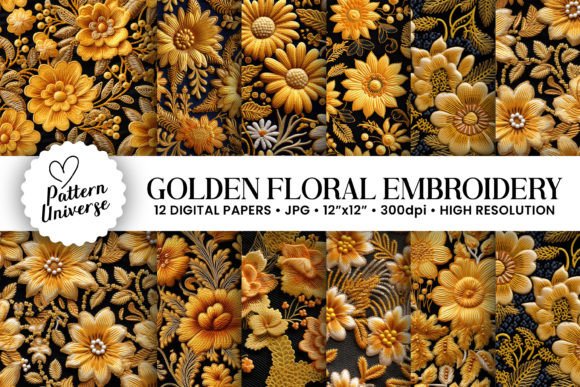
As an embroidery designer who spends hours scrutinizing stitch paths and thread tensions, I don’t just look at a design; I evaluate its potential for commercial viability. When reviewing Gold Flowers Embroidery Digital Papers, my primary focus is not on how it looks as a static image, but how it translates into a tangible, high-value asset for small business owners, Etsy sellers, and apparel decorators. The product description highlights "12 Gold Flowers Embroidery Seamless Patterns," which immediately signals versatility. For a brand looking to expand its merchandise line, understanding the transition from digital graphics to physical embroidery is crucial.
First Impressions: Professionalism Meets Playful Elegance
The term "Digital Papers" might initially suggest simple background textures, but in the context of embroidery design assets, this implies a seamless, repeatable motif that can be scaled and adapted. Visually, gold flowers often convey a sense of premium quality, warmth, and approachability. From a branding perspective, this design feels both classic and modern. It avoids being overly ornate, which is a common pitfall in machine embroidery where excessive detail can lead to stitching errors or a cluttered finish.
For a boutique café, a handmade soap shop, or a floral studio, this aesthetic strikes the right balance. It is friendly enough for consumer goods yet professional enough for staff uniforms. The seamless nature of the patterns allows for creative applications beyond standard logos. Instead of a single centered logo, these patterns can wrap around tumblers, create all-over prints on tote bags, or serve as decorative borders on greeting cards and invitations. This flexibility is a significant value add for product designers looking to create cohesive visual identities across multiple touchpoints.
Real-World Applications for Small Business Merchandise
One of the most compelling aspects of Gold Flowers Embroidery Digital Papers is its adaptability to various small business merch categories. Here is how I see this performing in real production scenarios:
- Embroidered Patches: These patterns are ideal for creating custom patches. A small circular patch featuring a segment of the gold flower pattern can be sewn onto denim jackets, backpacks, or caps. The seamless nature allows you to crop the design to fit any patch shape without worrying about awkward cut-offs.
- Apron Embroidery: For bakeries, florists, or craft studios, branded aprons are essential. Using the pattern as a border along the hem or pocket adds a touch of elegance without overwhelming the garment. It elevates a basic workwear item into a branded uniform that customers recognize.
- Tote Bag Design: Canvas tote bags are a staple for handmade brands. Applying the pattern as a large, central graphic or as a repeating motif along the sides creates a bold statement piece. The gold tones contrast beautifully with natural canvas, linen, or black cotton fabrics.
- Cap Embroidery: While complex patterns can struggle on curved surfaces, using a simplified section of the gold flower design for the front panel of a cap works well. It serves as a subtle brand mark that is stylish rather than loud.
- Product Packaging Accents: Although not strictly embroidery, having the digital embroidery file available allows you to create printable mockups for packaging labels. You can show customers exactly how the embroidered tag will look on their final product, enhancing trust and clarity.
Strategic Brand Identity and Customer Trust
In the competitive landscape of online marketplaces like Etsy, visual consistency is key. Using Gold Flowers Embroidery Digital Papers across different products—such as matching your website headers, social media graphics, and actual embroidered goods—creates a strong brand identity. Customers associate the quality of the embroidery with the professionalism of the brand. A well-executed embroidered patch or custom apparel item signals attention to detail, which directly influences customer trust and willingness to pay a premium price.
Furthermore, the "handmade" appeal of embroidery cannot be overstated. In an era of mass-produced goods, customers crave authenticity. By incorporating these designs into your handmade product line, you reinforce the narrative of craftsmanship and care. This emotional connection drives buyer engagement and fosters loyalty.
Critical Considerations for Production
While the design shows great promise, an experienced designer knows that aesthetics must meet technical reality. There are specific areas where Gold Flowers Embroidery Digital Papers requires careful handling to ensure a successful finished product.
- Stitch Density and Detail: Floral patterns can sometimes become muddy if the stitch density is too high. Before committing to bulk production, test the design at the smallest intended size. If the individual petals lose definition, simplify the design by reducing the number of elements or increasing the spacing between motifs.
- Fabric Texture and Color Contrast: Gold thread does not always read as gold on dark fabrics unless the base fabric is smooth. On textured fabrics like heavy canvas or wool, the thread may get lost. Always test on the actual fabric type you plan to use. Additionally, ensure there is sufficient contrast between the thread color and the garment color to maintain legibility.
- Hoop Size Constraints: Verify the recommended hoop size for the pattern. If you are attempting to embroider a large seamless area, you may need to rehoop multiple times, which can leave visible marks or misalignments. Plan your layout carefully to minimize rehooping.
- Stabilizer Selection: The choice of stabilizer is critical for maintaining the integrity of the design. Cut-away stabilizers are generally preferred for garments that will undergo frequent washing, while tear-away may suffice for temporary items like gift tags. Using the wrong stabilizer can cause puckering, ruining the professional look of the embroidery file.
- Commercial Licensing: Before selling any items made with these designs, confirm the commercial licensing terms. Ensure you have the right to use the design assets for resale purposes. This protects your business from legal issues and ensures ethical use of the creator’s work.
Practical Designer Notes for Quality Control
To guarantee the best results, I recommend the following workflow when integrating Gold Flowers Embroidery Digital Papers into your production process:
- Test in Black and White: Convert the design to grayscale first. This helps identify areas where contrast might be lost, allowing you to adjust thread colors or simplification before stitching.
- Create a Printable Mockup: Use the digital files to create realistic mockups for client approval. This step saves time and reduces the risk of dissatisfaction with the final embroidered patch or apparel item.
- Inspect Spacing: Zoom in on the digital preview to check the spacing between flowers. Ensure that the negative space is balanced and that the design does not feel cramped or sparse.
- Compare Beside Other Assets: Place the embroidery design next to your other design assets, such as logos and typography, to ensure visual harmony. The gold flowers should complement, not compete with, your primary brand elements.
Final Verdict
Gold Flowers Embroidery Digital Papers offers a versatile and elegant solution for small business owners seeking to enhance their merchandise lineup. Its seamless patterns provide endless possibilities for custom apparel, tote bag design, and branded accessories. However, success depends on meticulous planning regarding stitch density, fabric choice, and stabilization.
By treating this design as a strategic brand tool rather than just a decorative element, you can elevate your small business merch to a new level of professionalism. Whether you are launching a new line of eco-friendly bags or updating your team’s uniforms, these digital embroidery files offer a cost-effective way to inject personality and quality into your brand. Just remember to test thoroughly, respect the technical limitations of machine embroidery, and always prioritize the end-user experience in your final finished product.