Glass Can Easter Egg Embroidery Review
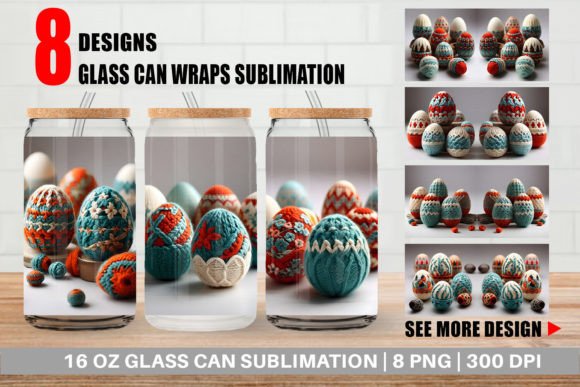
As a designer who spends more time staring at stitch density charts and fabric swatches than actually drinking coffee, I have developed a certain skepticism toward seasonal motifs. We have all seen the same tired bunny silhouettes or generic pastel hearts flooding the market. So, when I first pulled up Glass Can Easter Egg Embroidery, I was curious to see if it offered anything beyond the usual clutter. This is not just another clipart file; it is a specific design asset intended for the Libbey 16OZ Glass Can, presented as a full wrap. For those of us in the handmade space, particularly Etsy sellers and craft business owners, the ability to create custom branded merchandise that stands out on social media is invaluable.
The immediate impression of this design is its modern, slightly industrial yet playful aesthetic. The "glass can" shape provides a clean, vertical canvas that contrasts nicely with the organic, speckled pattern of an Easter egg. It feels less like a traditional nursery item and more like a trendy boutique product. This distinction matters because it expands your potential customer base. You are not just targeting parents looking for baby clothes; you are also targeting young adults, home decor enthusiasts, and gift shoppers looking for something unique for their kitchen or pantry. The visual personality here is crisp and contemporary, which suggests a higher perceived value for the finished product.
Real-World Application: From Digital File to Physical Product
To truly evaluate any embroidery file, you have to imagine it stitched. In my experience, the best way to do this is to visualize the end use case. I immediately thought about how Glass Can Easter Egg Embroidery would perform on a heavy cotton canvas tote bag. The rectangular nature of the design wraps perfectly around the cylindrical form of the glass can, but the underlying graphic is strong enough to stand alone on a flat surface. Imagine a custom apparel line where this design is printed or embroidered onto a high-quality apron for a bakery or a cafe owner doing a spring promotion. The theme fits seamlessly into a kitchen setting without feeling childish.
Another compelling use case is personalized gifts. Because the design is specified for a 16OZ glass can, it naturally lends itself to gifting sets. A small shop owner could pair a blank glass can with a digital download of the design, allowing the customer to take it to a local embroidery shop, or they could offer pre-embroidered cans as a premium SKU. This adds a layer of convenience and professionalism that buyers appreciate. For holiday embroidery projects, this design bridges the gap between Easter and general spring themes, making it versatile for inventory management. You are not left with dead stock after April 1st if the design has broader appeal through its color palette and style.
I also considered its application on soft goods. While the primary intent is the glass can, the aspect ratio (9.7 x 4.9 inches) is substantial. On a sweatshirt embroidery placement, this could serve as a bold central graphic or a large pocket print. The scale allows for intricate detail in the egg texture, provided the stitching quality is maintained. For baby embroidery items, such as burp cloths or muslin blankets, the design offers a softer alternative to typical animal motifs, appealing to modern parents who prefer minimalist or graphic-heavy aesthetics over cartoonish imagery.
Technical Performance and Stitch Considerations
When reviewing a design like this, the devil is always in the details. Since this is described as a full wrap, we must consider how the edges interact. If this includes applique elements, the satin stitch along the can’s edge needs to be precise to avoid puckering on the curved surface of the glass. However, even if it is purely embroidered onto fabric before being applied, or used as a direct print-transfer hybrid, the clarity of the lines is paramount. The design relies on contrast to define the shape of the can against the egg pattern. Therefore, thread colors become critical. A low-contrast thread choice on a dark fabric background could result in a muddy, indistinct image, reducing the professional look of the final piece.
Stitch density is another factor that requires careful attention. Full wrap designs often involve large areas of fill stitch. If the density is too high, the fabric may pucker, especially if you are working with thin fabrics or stretchy materials like jersey knits. For a robust finish, using a proper stabilizer is non-negotiable. A cut-away stabilizer would likely be necessary for woven fabrics to maintain the integrity of the wrap during wear and washing. Conversely, if this design is intended for frequent washing, such as on tea towels or kitchen linens, the stability of the stitches will determine whether the product lasts or falls apart after a few cycles. Designers should always test the design on scrap fabric first to check for tension issues and thread breaks.
Furthermore, inspecting small details is essential. Even though the main subject is clear, there may be subtle textures within the egg shell pattern. If these details are rendered in running stitch, they might blur together if the hoop size is too small or if the machine needle is dull. Checking the design in black and white mockups can help verify that the negative space is balanced and that the design does not rely solely on color for its definition. This ensures that the embroidery file remains effective regardless of the thread palette chosen by the end user.
Where Caution Is Required
Not every surface is suitable for this level of detail. I would advise caution when attempting to stitch this on highly textured fabrics, such as chunky knits or bouclé, as the needle penetration could be inconsistent, leading to skipped stitches. Similarly, applying this to curved surfaces like caps or hats requires advanced technique; the distortion of the curve might warp the rectangular proportions of the can design, making it look off-center or stretched. For beginners, sticking to flat surfaces like tote bags, pillow covers, or flat-lay apparel is safer.
Additionally, while the design is visually striking, it occupies a significant portion of the can’s surface. If you are adding additional text or logos, spacing becomes a challenge. Cluttering the design with too many elements can dilute the impact of the glass can motif. It is better to let the Glass Can Easter Egg Embroidery speak for itself as the focal point. This approach enhances brand consistency and makes the product instantly recognizable, which is crucial for building trust with customers who value handmade presentation.
Final Verdict for Creators and Sellers
Ultimately, Glass Can Easter Egg Embroidery is a strong addition to any digital embroidery library, particularly for those focusing on Crafts and Graphics niches. Its versatility allows it to function as a standalone decorative element or as part of a larger commercial branding strategy. For the Etsy seller, it offers a unique selling proposition that differentiates them from competitors offering generic floral patterns. For the hobbyist, it provides a fun, achievable project that results in a polished, gift-ready item.
Before incorporating this into your workflow, remember to confirm licensing terms. Ensure you have the right to sell finished products made from this design, especially if you are operating a small shop product line. Also, verify the file specifications—while we know it includes PNG files at 300dpi, the actual embroidery format (such as PES, DST, or EXP) and exact stitch count should be checked with the provider. By doing your due diligence on technical aspects like hoop size and stabilizer requirements, you can ensure that the transition from digital asset to physical masterpiece is smooth. When executed well, this design elevates the perceived value of your handmade product, turning a simple glass can into a cherished keepsake.