Easter Embroidery Wind Spinner Design Review
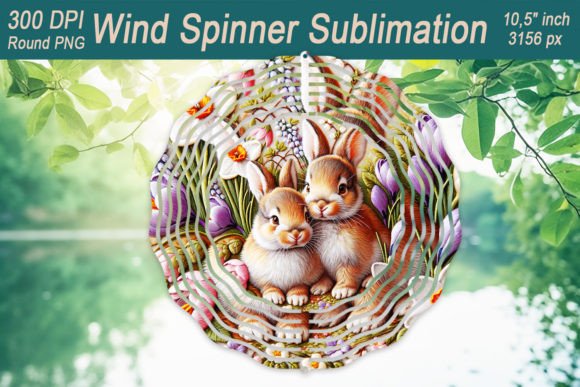
As an experienced embroidery designer who spends weekends setting up booths at craft fairs and managing handmade markets, I know that the difference between a sale and a missed opportunity often comes down to visual impact. When I received Easter Embroidery Wind Spinner Design, my first thought was not just about the aesthetic, but about how this piece would perform in a real-world retail environment. This is a machine embroidery design intended for sublimation and digital use, specifically crafted as an Easter embroidery bunny wind spinner. It falls squarely into the Crafts category under Graphics, which means it requires careful translation from a digital file to a tangible, high-quality handmade product.
First Impressions and Visual Appeal
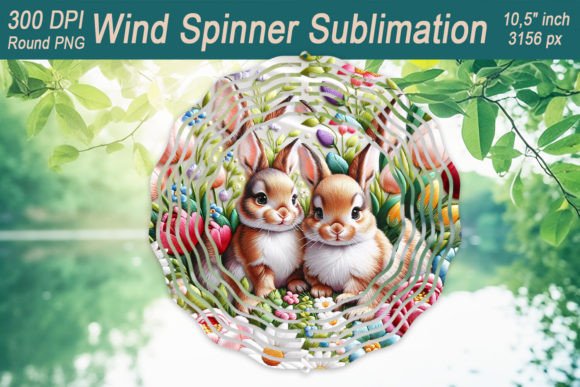
The title suggests a playful, rotating motif—a wind spinner—paired with classic Easter imagery. From a designer’s perspective, this combination offers excellent versatility. The term "wind spinner" implies movement and dynamism, which is crucial when you are trying to catch the eye of a passerby at a busy outdoor market. Unlike static patterns, a design that suggests motion can make your booth feel more lively.
When evaluating the Easter Embroidery Wind Spinner Design, the initial impression is one of festive charm. It strikes a balance between cute and decorative without leaning too heavily into overly childish or overly rustic aesthetics. This neutrality is a strength because it allows the design to fit seamlessly into various brand identities, whether you sell modern farmhouse goods or traditional spring-themed items. The inclusion of a bunny ensures immediate seasonal relevance, tapping into the strong consumer interest surrounding Easter gifts and home decor.
Product Application and Versatility
In my experience, the most successful crafter fair products are those that offer multiple uses. The Easter Embroidery Wind Spinner Design is approximately 10.5 x 10.5 inches, a size that is substantial enough to be seen from a distance but compact enough to fit on a variety of merchandise. Here is how I envision this embroidery file performing across different product lines:
- Tote Bag Design: A large tote bag provides ample canvas for the full 10.5-inch design. Placing the wind spinner centrally creates a bold focal point. For online listings, this looks premium and makes for an excellent small shop product that customers perceive as high value.
- Apron Embroidery: Spring cooking and baking are popular activities during the Easter season. Applying this design to the bib or pocket area of a linen apron adds a touch of whimsy. The contrast between the soft fabric texture and the crisp digital graphic enhances the perceived quality.
- Tea Towel Embroidery: Kitchen textiles are impulse-buy staples at craft fairs. The wind spinner motif works beautifully here, suggesting a cheerful kitchen atmosphere. Because tea towels are lightweight, ensure your stabilizer choice prevents puckering.
- Embroidered Patch: You can digitize this design to create iron-on patches. These are highly popular among children and collectors. Patches allow customers to personalize their own gear, extending the life of your finished product.
- Fabric Pouches and Caps: Smaller accessories benefit from the design’s clear lines. On caps, the curved surface can distort flat designs, so test the placement carefully. On pouches, the design serves as a delightful accent that elevates a simple item into a gift-ready piece.
Photography and Online Presence
For any Etsy seller or digital creator, photography is paramount. The Easter Embroidery Wind Spinner Design lends itself well to lifestyle mockups. Imagine a photo of a white tote bag hanging from a bicycle handle, with the wind spinner design catching the breeze. This narrative selling approach helps buyers visualize the item in their lives. The 300 DPI resolution included in the package ensures that even when scaled down for social media thumbnails, the details remain sharp. Creating printable mockups using these design assets allows you to showcase the product before you even sew the first stitch.
Production Practicalities and Technical Notes
While the visual potential is high, practical production challenges must be addressed. As a professional, I always advise testing before committing to bulk production. Here are critical considerations for working with this specific design:
- Stitch Density and Clarity: Wind spinner designs often contain fine lines or intricate details to simulate rotation. Check the stitch density closely. If the design includes tiny text or very thin lines, they may become lost or blurry if embroidered on textured fabrics like heavy canvas or terry cloth. Always inspect the digitization for thread breaks.
- Hoop Size Constraints: At 10.5 inches, this design requires a medium-to-large hoop. Ensure your machine can accommodate this dimension comfortably. If you plan to embroider on smaller items like caps, you may need to split the design or resize it, which could compromise detail.
- Thread Contrast: The success of any thread colors palette depends on the background fabric. Light pastels might get lost on cream-colored linens, while dark threads might overpower delicate spring tones. Test your thread colors against your chosen fabric texture to ensure visibility.
- Stabilizer Selection: Using the wrong stabilizer can ruin the drape of your fabric. For stable cottons, cut-away stabilizer is ideal for longevity. For stretchy knaps or delicate silks, tear-away or water-soluble options might be necessary, though they require precise hooping techniques.
- Digital vs. Physical Translation: Since this is listed as a PNG sublimation design, remember that sublimation transfers ink into the fabric fibers, creating a smooth, integrated look. Embroidery, however, adds texture and dimension. If you are converting this digital graphic into an embroidery file, ensure the digitizer captures the essence of the wind spinner’s motion through varied stitch directions.
Marketability and Brand Consistency
From a business standpoint, the Easter Embroidery Wind Spinner Design supports strong brand consistency. Its clean, festive aesthetic aligns well with brands focused on spring renewal, family gatherings, and home hospitality. It feels premium rather than mass-produced, which justifies a higher price point at craft fairs. Customers are willing to pay more for items that feel thoughtful and professionally executed.
Furthermore, the design’s adaptability allows for batch production. You can create a cohesive collection featuring totes, aprons, and tea towels all bearing the same motif. This uniformity strengthens your booth display, making it look curated and professional. Buyers often gravitate toward sellers who present a unified vision, and this design facilitates that easily.
Final Verdict for Craft Fair Sellers
The Easter Embroidery Wind Spinner Design is a versatile, visually engaging asset that holds significant promise for commercial embroidery and handmade markets. Its ability to convey movement and seasonal cheer makes it stand out in a crowded field of static floral or bunny motifs. However, its success hinges on proper execution.
I recommend starting with a small run of tote bags and tea towel embroidery pieces to gauge customer response. Use high-quality stabilizer and pay close attention to hoop size limitations. Create detailed printable mockups for your online store to maximize reach beyond your physical booth. By treating this design with the technical care it deserves, you can transform these digital embroidery files into best-selling craft fair products that delight customers and build your brand’s reputation for quality.