Cupid’s Cutest Rival Embroidery Review
As an embroidery designer who spends most of my days tweaking stitch paths and testing thread tensions, I don’t just download files because they look cute on a screen. I download them because they solve a problem for my clients or add value to my own handmade product line. When I first saw Cupid’s Cutest Rival Embroidery on Creative Fabrica, it caught my eye not just for the Valentine’s Day theme, but for its potential versatility beyond just hearts and arrows. If you are looking to expand your seasonal offerings, this design deserves a serious look before you commit to a full production run.
First Impressions: Visual Mood and Design Personality
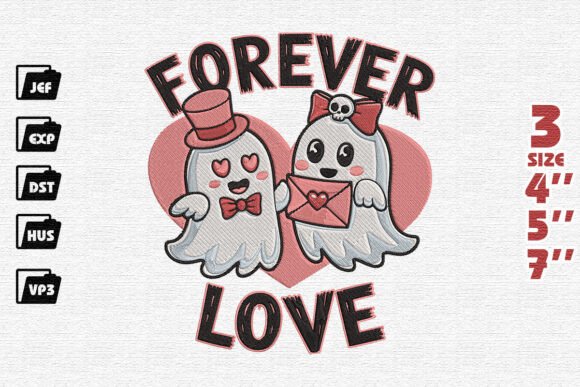
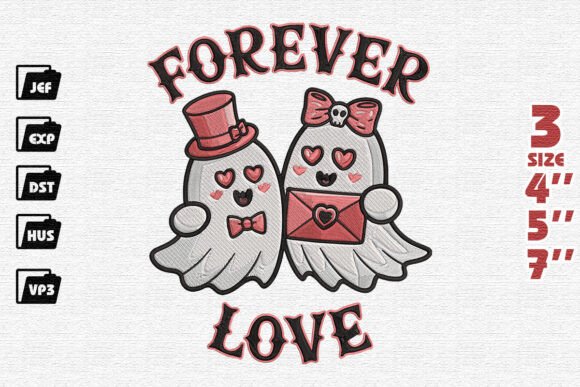
The title alone suggests a playful narrative. "Cupid’s Cutest Rival" implies competition, perhaps between different symbols of love or even rival characters. Visually, the design strikes a balance between whimsical charm and structural clarity. For an embroidery file to work in a commercial setting, it needs to read well from a distance while still offering enough detail to reward close inspection.
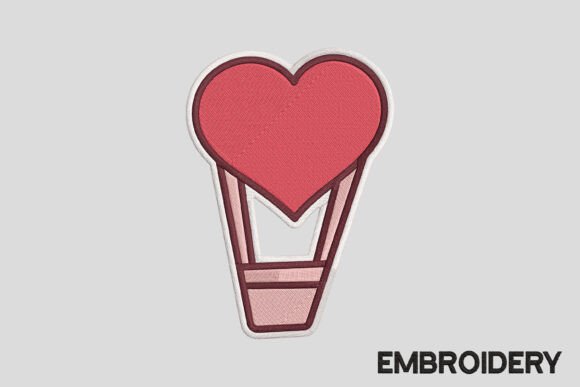
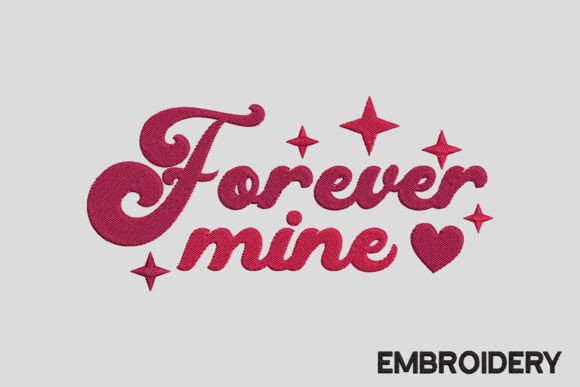
This machine embroidery design appears to have strong visual anchors. The contrast between the main subject and the background elements is crucial, especially when working with limited color palettes. In my experience, designs that rely too heavily on tiny details often get lost in the stitching process, particularly if the stitch density isn't managed correctly. This design seems to avoid that pitfall by focusing on bold shapes that translate beautifully into satin stitches and fill stitches. It has a personality that feels modern yet timeless, making it suitable for more than just a fleeting holiday trend.
Real-World Application: Where Does This Fit?
I recently considered using Cupid’s Cutest Rival Embroidery for a few specific project types to see how it would hold up in practice. Here is where I think it shines:
- Baby Items and Onesies: The "cute" factor is high here. Embroidering this on a baby’s onesie or a small blanket adds a layer of sentimentality that parents love. However, care must be taken with the placement to ensure the design doesn’t overwhelm the garment.
- Tote Bags and T-Shirts: These are staple items for any Etsy seller or craft fair booth. The design works well as a centered chest print on a t-shirt or as a large focal point on a canvas tote bag. The bold lines will stand out against both neutral and vibrant fabrics.
- Kitchen Towels and Aprons: Home decor is a huge market. Placing this design on a kitchen towel or a linen apron brings a touch of warmth to the home. It’s perfect for gifting during the Valentine’s season, appealing to couples who enjoy cooking together.
- Patches and Caps: If you are creating embroidered patches or customizing baseball caps, the structured nature of this design allows it to fit neatly within standard hoop sizes without feeling cramped.
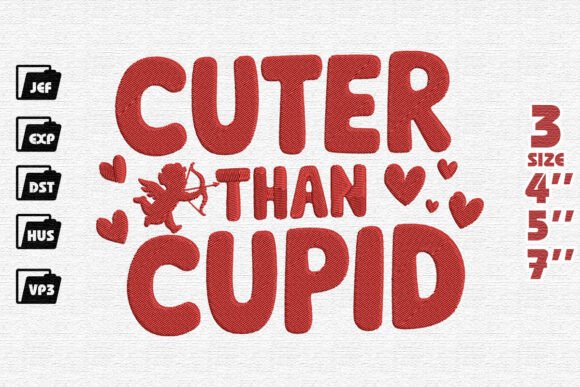
The description notes that this embroidery file can be used on clothes, baby’s onesies, home decor, t-shirts, tablecloths, kitchens, towels, and more. This versatility is a major selling point for digital product sellers who want one asset to drive multiple revenue streams.
Technical Considerations for Production
Before adding any design assets to your inventory, you need to understand the technical constraints. While I cannot invent specific stitch counts or file formats without seeing the actual data sheet, there are universal rules for evaluating a design like this.
Stitch Density and Detail
Look closely at the areas intended for satin stitch. Are the edges clean, or do they look jagged in the preview? High-density areas can cause puckering, especially on lightweight fabrics like jersey knits used for t-shirts. If the design includes running stitch details for texture, ensure those lines are long enough to prevent thread breakage. For fill stitch areas, check that the underlay is sufficient to keep the fabric stable.
Hoop Size and Placement
Always confirm the hoop size requirements listed on the Creative Fabrica product page. A design that requires a 6x10 hoop might be difficult to place on smaller items like baby socks or narrow cap fronts. Test the design in your software to see how it scales. Sometimes, reducing a design by even 5% can ruin the proportion, so it’s vital to know the maximum and minimum safe scaling limits.
Fabric and Stabilizer Compatibility
The success of any handmade product depends heavily on the stabilizer you choose. For stretchy fabrics like sweatshirts or cotton blends, a cut-away stabilizer is usually non-negotiable to prevent distortion over time. For woven fabrics like pillow covers or tea towels, a tear-away might suffice, but a wash-away backing can provide extra support during stitching. Always test on scrap fabric that matches the weight and stretch of your final material.
Affecting Product Value and Brand Trust
Using a professionally designed digital embroidery file like Cupid’s Cutest Rival Embroidery elevates your brand perception. Customers can tell the difference between a poorly digitized design that looks messy and one that is crisp and intentional. When your finished product looks polished, buyer trust increases, leading to better reviews and repeat customers.
Furthermore, thoughtful presentation matters. When photographing your custom apparel or personalized gift items, consider how the design interacts with the lighting. Embroidery has depth; shadows cast by raised stitches add dimension. A well-executed design enhances the tactile appeal of the item, which is a key selling point in online marketplaces where customers cannot physically touch the product.
Practical Steps Before You Sell
To ensure you are set up for success, follow these practical steps:
- Test on Scrap Fabric: Never go straight to your saleable item. Stitch the design on scraps to check for tension issues, thread breaks, or registration errors.
- Check Thread Color Contrast: Ensure the chosen thread colors pop against your fabric. Dark threads on dark fabric may disappear, while light threads on white fabric might lack definition depending on the shade.
- Review Small Details: Zoom in on the digital preview. Are there any tiny text elements or intricate lines that might become illegible after stitching? If so, consider simplifying or adjusting the placement.
- Confirm Licensing: This is critical. Before listing your commercial embroidery products, carefully read the license terms on the Creative Fabrica product page. Some licenses allow unlimited use for physical goods, while others may restrict the number of items you can sell or require attribution. Compliance protects your business from legal issues.
- Create Printable Mockups: Use the design to create high-quality mockups for your shop. Seeing the design on a real-looking product helps buyers visualize their purchase, increasing conversion rates.
Final Thoughts
Cupid’s Cutest Rival Embroidery offers a compelling option for designers looking to tap into the Valentine’s Day market with something slightly different from the usual heart motifs. Its playful name and likely robust structure make it suitable for a wide range of applications, from tote bag design ideas to cozy sweatshirt embroidery projects.
However, the best design in the world is only as good as its execution. Take the time to test, stabilize properly, and present your finished products with pride. By doing so, you turn a simple embroidery file into a cherished keepsake for your customers. If you are ready to add a touch of rivalry and romance to your collection, this design is definitely worth downloading and experimenting with.