Valentine Object Embroidery Design Review
As an embroidery designer who spends weekends hunched over a sewing machine preparing for craft fairs, I have learned that not every digital file translates into a sellable craft fair product. You can have the most beautiful embroidery file in your library, but if it does not photograph well or lacks visual impact from three feet away, it will sit on your table while customers walk past. Today, I am reviewing the Valentine Object Embroidery Design to determine if it has the potential to become a bestseller at your next handmade market.
The prompt describes this design as something that allows you to "Celebrate the season with style and grace" and highlights its versatility for various items. This sounds promising, but let us look closer at what makes a machine embroidery design work in a real-world retail environment. When I pull a new digital embroidery file from my drive, I immediately ask: Does it grab attention? Is it easy to produce in batches? And does it feel premium?
First Impressions and Visual Appeal
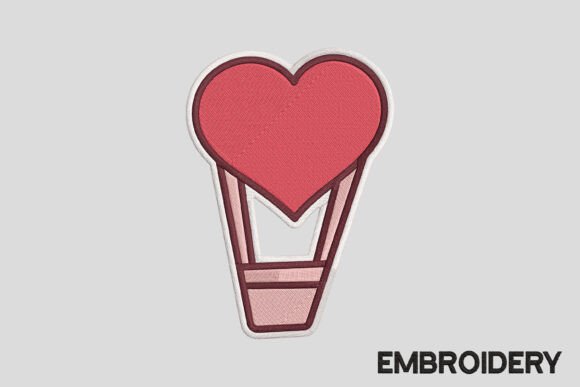
The title Valentine Object Embroidery Design suggests a focus on specific shapes or motifs rather than just text. In the crowded world of Valentine S Day merchandise, generic hearts are everywhere. To stand out, your booth needs items that feel curated and thoughtful. If this design features unique objects—perhaps stylized boxes, ribbons, or abstract romantic symbols—it offers a modern twist that appeals to buyers looking for something less traditional.
From a distance, a successful handmade product must be legible. If the design relies on tiny details or extremely fine lines, it may disappear when embroidered on textured fabrics like canvas tote bags or waffle-weave tea towels. A strong tote bag design needs bold elements that pop against the fabric. Similarly, for apron embroidery, the focal point should be placed where it is visible during use, not hidden by the wearer’s hands. If the Valentine Object Embroidery Design has clean lines and sufficient negative space, it will likely perform well as a statement piece.
Consider the mood. The description mentions "style and grace," which implies an elegant or perhaps minimalist aesthetic. This is excellent for boutique makers targeting customers who prefer understated luxury over loud, cartoonish graphics. An elegant embroidered patch or a subtle chest pocket design on a linen apron can command a higher price point because it feels sophisticated. However, if the design is too delicate, it risks losing clarity. Always ensure the stitch density is appropriate for the intended fabric weight.
Product Versatility and Market Fit
One of the strongest selling points mentioned in the product description is versatility. In my experience, the most profitable small shop product categories are those that allow you to use one design asset across multiple items. Let us evaluate how Valentine Object Embroidery Design might translate across different formats:
- Tote Bags and Market Bags: These are staples at any craft fair. A centered tote bag design works well, but placing the object motif slightly off-center can add a contemporary, artistic flair. Ensure the hoop size accommodates the bag width without distorting the shape.
- Aprons and Tea Towels: For tea towel embroidery, the design should be compact enough to fit within the hemmed borders. Kitchen textiles are often gift items, so the design must look charming even when folded. Check that the thread colors contrast well against white or cream cotton.
- Caps and Headwear: Embroidering on curved surfaces is tricky. If the design is wide, it may pucker on the front panel of a cap. A smaller, vertical arrangement of the Valentine objects might work better here, or consider using it as a side accent.
- Patches and Pouches: A standalone embroidered patch requires a dense satin border to prevent fraying. If the design is meant to be ironed on or sewn onto pouches, verify that the backer stabilizer does not make the final product too stiff.
- Pillow Covers: For home decor, larger formats allow the design to breathe. A square pillow cover can showcase the full detail of the objects, making it a high-value item for wedding gifts or housewarmings.
When creating these items, remember that consistency is key. Buyers love seeing a cohesive collection. If you use the same thread colors across your aprons, towels, and bags, your booth looks more professional and branded.
Production Practicality and Quality Control
Before committing to a large batch of commercial embroidery products, you must test the design thoroughly. Here is my checklist for evaluating Valentine Object Embroidery Design:
- Test on Scrap Fabric: Never guess how a design will look. Stitch it out on the exact fabric you plan to sell. Observe how the fabric texture interacts with the stitches. On rough linen, small details may get lost; on smooth cotton, they will shine.
- Check Hoop Size and Placement: Confirm the recommended hoop size fits your project dimensions. If the design is too large for a standard 5x7 hoop, you may need to re-digitize or split the design, which adds time and cost.
- Inspect Stitch Density: High-density areas can cause puckering, especially on lightweight fabrics. If the design has large filled areas, ensure you are using the correct stabilizer. Tear-away stabilizer is good for woven fabrics, but cut-away may be necessary for knits or stretchy materials to maintain longevity.
- Thread Contrast: Evaluate the color palette. Dark threads on dark fabric reduce visibility. Light threads on light fabric may lack definition. Choose threads that complement the base material while ensuring the design remains distinct.
- Create a Printable Mockup: Before cutting fabric, generate a printable mockup to visualize the scale. This helps you decide if the design is too busy or too sparse for the chosen product.
Additionally, pay attention to tiny details and small lettering if present. At craft fairs, customers examine items closely, but they also judge quickly. If the design becomes muddy or illegible when stitched, it will not sell. Simplify if necessary by removing minor decorative elements that do not contribute to the overall theme.
Selling Strategy and Customer Engagement
How you present the finished product matters as much as the embroidery itself. Use the Valentine Object Embroidery Design to tell a story. Display your tote bags open so customers can see the interior, or hang aprons on mannequins to show how the design sits on the body. For online listings, such as on Etsy, high-quality photos are essential. Show close-ups of the stitch quality to prove the handmade quality and justify your pricing.
Think about your target audience. Are they young couples looking for wedding favors? Homebodies seeking cozy kitchen accessories? Or fashion-forward individuals wanting unique accessories? Tailor your messaging accordingly. Emphasize the "style and grace" mentioned in the description. Highlight that each item is carefully crafted, adding value through labor and skill.
Finally, always confirm commercial licensing before selling finished goods. While the design allows for versatile application, you must ensure you have the right to sell physical items made from the embroidery file. Check the license terms provided by the creator. If unclear, reach out for clarification to avoid legal issues.
In conclusion, Valentine Object Embroidery Design has the potential to be a standout addition to your craft fair inventory, provided it is executed with care. Its versatility makes it suitable for a range of handmade products, from practical kitchen linens to fashionable accessories. By testing thoroughly, choosing complementary fabrics, and presenting your work professionally, you can turn this digital asset into tangible profit and customer delight. Remember, the goal is not just to sell an item, but to offer a piece of art that customers will cherish throughout the season.