Boy with Ball Embroidery Design Review
As an embroidery designer who spends countless hours digitizing and testing files for boutique collections, I am always on the lookout for designs that balance charm with commercial viability. When browsing Creative Fabrica embroidery options for a new line of children’s apparel, I recently came across the Boy with Ball Embroidery Design. This piece immediately caught my eye because it taps into a timeless theme: childhood play. In this review, I will break down how this design might perform in real-world applications, from sweatshirts to tote bags, and share practical insights for decorators and small business owners.
First Impressions and Visual Mood
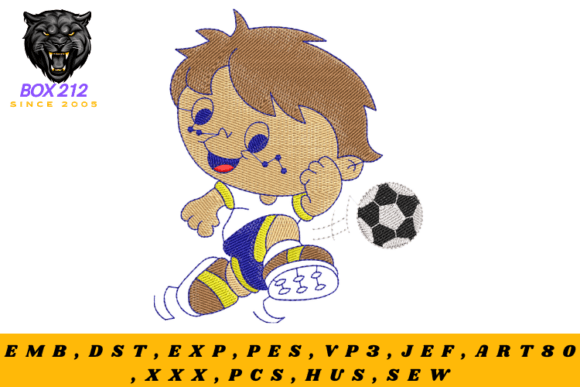
The description promises to capture the joy and innocence of childhood, and visually, the design delivers on that promise. The Playful Boy with Ball motif radiates energy and fun, making it an excellent choice for brands targeting families or creating gift-oriented merchandise. From a design perspective, the visual personality is distinctly casual yet polished enough for high-end boutique items. It does not feel overly rustic or strictly minimal; instead, it strikes a balance that feels trendy without being fleeting.
For those building a boutique brand, the emotional resonance of this file is its strongest asset. It evokes nostalgia and warmth, which translates well into lifestyle product photos. When you photograph a hoodie featuring this design, the narrative is clear: comfort, play, and happy memories. This makes it particularly effective for Etsy listings where storytelling drives sales. The decorative strength of the pattern suggests it will hold up well as a standalone statement piece, whether placed centrally on a chest or used as part of a larger collage.
Application on Apparel and Accessories
One of the primary considerations for any machine embroidery design is versatility. Here is how the Boy with Ball Embroidery Design might integrate into various garment types:
- Sweatshirt Embroidery: This is perhaps the most natural home for this design. On neutral-colored sweatshirts, the playful nature of the boy contrasts beautifully with the soft texture of the fleece. It works exceptionally well for oversized garments, where the design can be scaled to fill the space without looking cramped.
- Hoodie Chest Placement: For a classic look, placing the design on the left chest of a hoodie offers a subtle yet personalized touch. It pairs well with pastel hoodies, adding a pop of character to soft blues, pinks, or creams.
- Back Designs: If the design has sufficient detail, it can serve as a striking back print. On dark apparel, using contrasting thread colors can make the figure pop, creating a bold graphic effect that appeals to older children and teens.
- T-Shirt Embroidery: While t-shirts are common, the durability of the design on knit jersey fabric depends heavily on proper stabilization. However, for a lightweight tee, this design adds a premium feel compared to screen printing.
- Tote Bags and Canvas Items: The sturdy nature of canvas makes it ideal for this motif. A custom apparel bag featuring the boy playing with a ball is perfect for summer markets or school events.
- Denim Jackets: For a more rugged aesthetic, embroidering this design on a denim jacket creates a unique, handmade product that stands out in a crowded market.
Seasonal and Lifestyle Integration
This design is not limited to a single season. It fits perfectly into cozy seasonal outfits, such as autumn layers or spring break gear. For digital sellers, the clean lines and distinct shapes make it easy to create printable mockups. You can easily visualize the design on different backgrounds, helping Etsy sellers and small shop products creators showcase their offerings effectively on social media graphics.
Strategic Considerations and Potential Challenges
While the design is charming, there are specific areas where caution is required to ensure a professional finished product. Understanding these nuances is crucial for maintaining brand integrity and customer trust.
Fabric and Placement Constraints
Not all surfaces are created equal. When planning your production run, consider the following:
- Small Chest Placement: Ensure the design is not too large for standard chest placements. If the file is dense, it may overwhelm a small area, leading to puckering.
- Dense Stitch Areas: Check the stitch density carefully. High-density areas can become stiff and uncomfortable, especially on children’s clothing which requires softness against the skin.
- Stretchy Fabric: Embroidery on stretchy fabrics like ribbed cuffs or hemmed edges requires careful hoop tension and appropriate stabilizers. Without this, the design may distort when the garment is worn.
- Fleece and Texture: While fleece is great for showing off thread luster, the nap can hide fine details. Test your thread colors to ensure they remain visible against the textured background.
- Dark Garments: Contrast is key. Light threads may get lost on black or navy garments unless you use underlay stitches or a lighter base layer.
- Curved Surfaces: Avoid placing intricate designs on highly curved surfaces like shoulders or sleeves unless you have advanced digitizing skills to compensate for distortion.
- Tiny Lettering: If the design includes text, ensure it is legible. Tiny lettering often becomes illegible after washing, leading to customer dissatisfaction.
- Wrinkling Areas: Avoid areas that wrinkle frequently, such as the center front of a loose-fitting shirt, as this can cause thread breakage over time.
Impact on Brand Identity and Value
Incorporating a high-quality digital embroidery file like the Boy with Ball Embroidery Design can significantly elevate your brand identity. Customers associate detailed, well-executed embroidery with quality and care. This perception builds buyer trust and enhances product recognition. When your finished product looks professional, customers are more likely to engage with your brand and leave positive reviews.
Furthermore, using unique designs helps differentiate your commercial embroidery offerings from mass-produced alternatives. It allows you to position your items as premium, handmade goods, justifying a higher price point and fostering customer loyalty.
Practical Designer Notes for Production
Before committing to a full production run, I recommend taking the following steps to ensure success:
- Test on Scrap Fabric: Always run a test stitch-out on the exact fabric you plan to use. This reveals issues with tension, color contrast, and stability.
- Check Stabilizer Choice: Select the correct stabilizer (cut-away vs. tear-away) based on the fabric weight and stretch. For knitwear, a cut-away stabilizer is usually necessary for longevity.
- Review Thread Color Contrast: Ensure the chosen threads provide enough contrast against the garment color to maintain visual clarity.
- Confirm Hoop Size: Verify that the design fits within your machine’s hoop size. If it is larger, you may need to re-digitize or split the design.
- Inspect Stitch Density: Look for areas where stitches are too close together, which can cause needle breakage or fabric damage.
- Test on Similar Garment Fabric: If possible, test on a sample garment to see how the design behaves during actual wear and wash cycles.
- Compare Placement Options: Experiment with different placements to find the most aesthetically pleasing and commercially viable option.
- Check Licensing: Most importantly, review the Creative Fabrica product details and licensing terms before selling finished apparel. Ensure you have the right to use the design for commercial purposes.
The Boy with Ball Embroidery Design offers a delightful blend of emotion and style that can enhance any collection. By paying attention to fabric selection, placement, and technical details, you can transform this simple motif into a standout piece for your handmade product line. Whether you are an experienced decorator or just starting out, this design provides a solid foundation for creating memorable, high-quality apparel.