Lucky Shamrock Embroidery Review
As an embroidery designer who spends more time than I care to admit staring at stitch patterns and debating thread colors, I approach every new digital asset with a mix of excitement and skepticism. The market is saturated, and for a design to truly stand out in a crowded craft fair booth or on an Etsy shop front, it needs more than just thematic relevance—it needs production viability and visual punch. Today, I am reviewing the Lucky Shamrock Embroidery design, specifically evaluating its potential for St Patrick S Day commercial products. This review is tailored for handmade business owners, boutique makers, and digital sellers looking to capitalize on the seasonal rush.
First Impressions: Visual Appeal and Market Fit
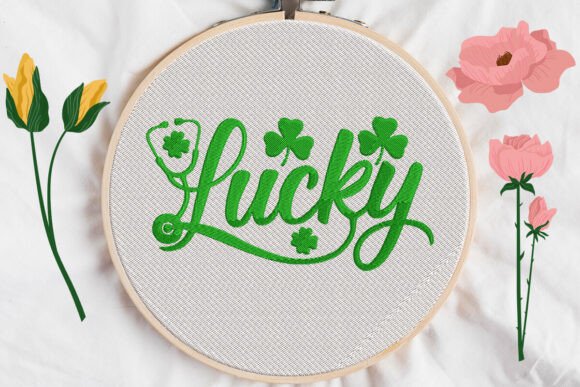
When you first pull up the preview for Lucky Shamrock Embroidery, the immediate takeaway is its versatility. In a sea of overly complex Celtic knots or generic cartoon leprechauns, this design strikes a balance between festive cheer and wearable elegance. It feels modern yet rustic, avoiding the "cheap" look that often plagues holiday-themed merchandise. For a craft fair seller, this distinction is critical. Customers walking by a booth are scanning dozens of items in seconds; they need to see quality instantly.
The aesthetic suggests a premium handmade product. It does not scream for attention with neon greens or excessive glitter effects but rather relies on clean lines and balanced composition. This subtlety allows it to appeal to a broader demographic, including those who might shy away from overtly loud holiday wear. Whether intended for a tote bag design or a subtle apron embroidery, the design commands respect as a high-quality asset. It photographs beautifully, which is half the battle when listing on platforms like Etsy or social media.
Product Applications and Sales Potential
One of the strongest selling points of this machine embroidery design is its adaptability across various handmade product categories. Here is how it performs on key items:
- Tote Bags and Market Bags: This is arguably the highest-volume seller for St Patrick S Day events. Placing Lucky Shamrock Embroidery on a sturdy canvas tote creates an instant impulse buy. The design works well as a centered focal point or repeated in a pattern along the side. It elevates a basic canvas item into a fashionable accessory.
- Kitchen Linens (Aprons and Tea Towels): Home goods are a staple at craft fairs. On a tea towel, the design acts as a charming accent. On an apron, it serves as a statement piece for home cooks. The contrast against white or cream linen makes the green tones pop, enhancing the visual appeal and perceived value of the item.
- Caps and Headwear: A small, scaled-down version of the design works exceptionally well on structured caps. However, producers must be cautious about curvature. The design’s clarity must hold up when stitched onto a curved surface, requiring precise digitizing and tension adjustments.
- Fabric Pouches and Pillow Covers: For smaller price points, embroidered pouches make great gift items. The design fits perfectly within standard small hoop sizes, allowing for quick turnaround times during batch production.
For Etsy sellers and digital embroidery file resellers, offering this design as part of a bundle increases its attractiveness. It pairs naturally with other spring or nature-themed assets, creating a cohesive collection that encourages larger basket sizes.
Photography and Mockup Strategy
In the digital marketplace, your customer cannot touch the fabric. Therefore, your printable mockup is your salesperson. When photographing Lucky Shamrock Embroidery, use natural lighting to capture the texture of the stitches. Show the design on different fabric textures—denim, cotton, fleece—to demonstrate its range. A flat lay of the finished product next to relevant props (like fresh shamrocks or coffee cups) helps buyers visualize the item in their own lives, significantly boosting engagement and conversion rates.
Production Practicality and Technical Notes
From a production standpoint, efficiency is money. If a design takes too long to embroider, your profit margins shrink. While specific stitch counts should be verified in the source files, designs of this nature typically offer a good balance of detail and speed. They are detailed enough to look expensive but sparse enough to finish in a reasonable timeframe.
However, there are several technical considerations every embroidery business owner must address before hitting the production line:
- Stitch Density and Fabric Texture: Always check the stitch density. If the design has dense fill areas, ensure your fabric can support it without puckering. On textured towels or thick fleece, you may need to adjust your hooping technique or use a cut-away stabilizer to prevent shifting.
- Thread Contrast: The choice of thread color is paramount. Standard kelly green is safe, but experimenting with heathered greens or metallic accents can make your booth display stronger. Test multiple thread options to see which provides the best definition against your chosen fabric.
- Hoop Size Verification: Confirm the recommended hoop size for each variation of the design. Working within standard hoop dimensions reduces setup time and minimizes the risk of errors caused by re-hooping.
- Small Details and Clarity: Be wary of tiny details if you plan to scale the design down significantly. Fine lines can merge together, resulting in a muddy appearance. If you intend to sell small embroidered patches, ensure the design retains its integrity at reduced scales.
Stabilizer and Setup Best Practices
Using the right stabilizer is non-negotiable for professional results. For lightweight fabrics like scarves or thin t-shirts, a tear-away stabilizer is usually sufficient. For heavier items like denim tote bags or hoodies, a cut-away stabilizer provides lasting support and prevents distortion over time. Always run a test stitch on scrap fabric that matches your final product’s weight and texture. This simple step can save you hours of frustration and ruined inventory.
Commercial Licensing and Brand Consistency
Before adding Lucky Shamrock Embroidery to your catalog, verify the commercial licensing terms. As a professional, you need to know if you are allowed to sell unlimited finished products using this design. Some licenses restrict the number of items sold or prohibit certain uses. Clear licensing protects your business from legal issues and allows you to scale confidently.
Furthermore, consider how this design fits into your brand identity. If your shop focuses on minimalist, farmhouse-style goods, this design aligns perfectly. If your brand is more whimsical or chaotic, you might need to adjust the presentation. Consistency in style builds trust with repeat customers. By curating a selection of designs that share a similar aesthetic, you create a recognizable brand voice that stands out in both physical booths and online feeds.
Final Verdict for Craft Fair Sellers
Lucky Shamrock Embroidery is a robust, versatile asset that offers strong potential for seasonal sales. Its clean design appeals to a wide audience, and its adaptability across multiple product types—from apron embroidery to embroidered patch collections—makes it a valuable addition to any designer’s library. By paying attention to technical details like stitch density, fabric choice, and stabilization, you can produce high-quality items that justify premium pricing.
For small shop product creators, this design represents a low-risk, high-reward opportunity. It requires minimal customization to look professional and photographs well, reducing the marketing effort needed to showcase it. Prepare your booth displays early, ensure your finished product samples are pristine, and leverage the festive mood of the season to drive traffic. With careful execution, Lucky Shamrock Embroidery can become a standout hit in your St Patrick S Day lineup.