Graceful Snow Deer Embroidery for Winter
As an embroidery designer who has spent years refining digitizing techniques and advising small business owners on visual merchandising, I look at every new design file with a critical eye. It is not enough for a design to simply "look nice" on a screen; it must translate flawlessly into thread, hold up under wear, and elevate the brand it represents. Today, I am reviewing the Graceful Snow Deer Embroidery for Winter, a digital embroidery file that promises to add a touch of elegance to seasonal merchandise. This review focuses on its viability for commercial use, including branded patches, staff uniforms, custom apparel, and high-value handmade products.
First Impressions: Visual Personality and Brand Alignment
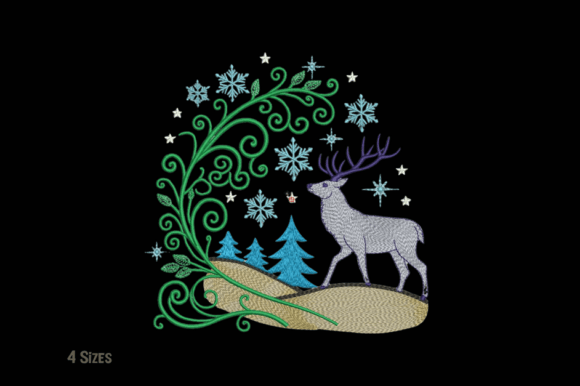
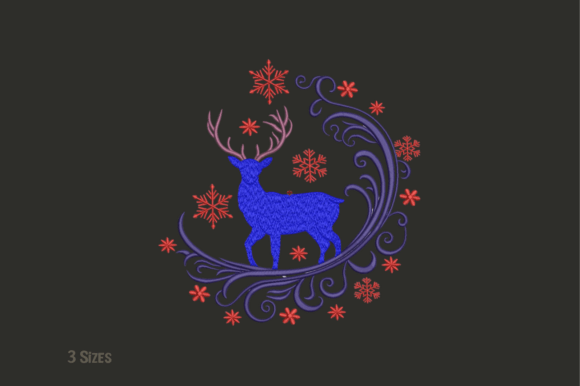
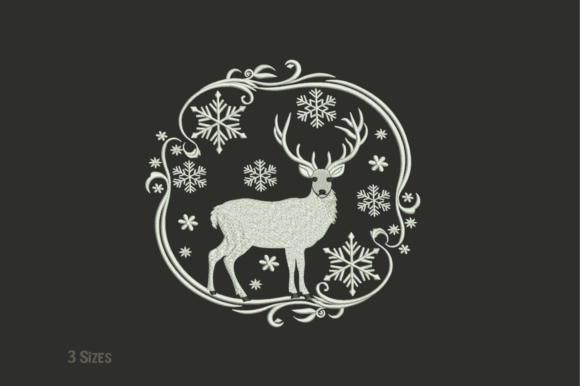
The title Graceful Snow Deer Embroidery for Winter sets a specific tone immediately. From a design perspective, this suggests a piece that is elegant, classic, and perhaps slightly rustic or premium rather than bold and modern. The description highlights a detailed deer encircled by elegant swirls and delicate snowflakes. For a small business owner—whether running a boutique café, a handmade jewelry shop, or a creative studio—this aesthetic aligns perfectly with brands that value craftsmanship, warmth, and natural beauty.
In terms of brand identity, this design communicates professionalism and attention to detail. It feels handmade but polished. When applied to items like apron embroidery or tote bag design elements, it signals to the customer that the business cares about quality. It is not merely a logo; it is a decorative accent that enhances the perceived value of the finished product. However, because it features delicate swirls and snowflakes, it leans towards a softer, more feminine or nature-inspired brand voice. If your business is rugged, industrial, or minimalist, this design might feel too ornate. But for florists, bakeries, gift shops, or winter-themed events, it is a strong contender.
Real-World Business Applications
Let us move beyond the screen and discuss how this machine embroidery design performs in actual production scenarios. The versatility of this embroidery file allows it to be used across multiple touchpoints in a small business ecosystem.
- Embroidered Patches: One of the most profitable applications for this design is creating sew-on or iron-on patches. The circular composition implied by "encircled by elegant swirls" makes it naturally suited for patch formats. These can be sold as standalone products on Etsy or attached to denim jackets and beanies as part of a winter collection.
- Staff Uniforms and Aprons: For a boutique café or a cozy bookstore, this design works beautifully as a chest logo accent. It adds a personal, welcoming touch to work shirts without being overly corporate. Similarly, apron embroidery for bakers or crafters using this motif reinforces a theme of homemade care and artisanal quality.
- Caps and Headwear: Cap embroidery is a staple for brand visibility. Placed on the front panel of a wool cap or a structured baseball hat, the deer motif serves as a focal point. It pairs exceptionally well with winter accessories, making it ideal for holiday markets or seasonal promotions.
- Tote Bags and Product Packaging: A tote bag design featuring this deer pattern elevates a standard canvas bag into a fashion accessory. Furthermore, smaller versions of the design can be embroidered onto product tags or hangtags, adding a tactile element to small business merch that customers often keep long after the purchase.
- Event Merchandise: For local businesses hosting winter events, workshops, or pop-up shops, this design offers a cohesive visual asset. It can be used on promotional items like socks, scarves, or even as a stamp-like print on packaging paper if digitized correctly.
Technical Considerations and Risk Areas
While the aesthetic appeal is high, any experienced digitizer knows that complex designs require careful execution. There are specific areas where this design could fail if not handled with expertise.
Small Patch Sizes and Stitch Density: The description mentions "delicate snowflakes" and "elegant swirls." These elements rely on fine detail. If you attempt to downscale this design for a tiny pocket logo or a very small patch (under 2 inches), the details may merge into a blurry blob. High stitch density in the swirls can cause fabric puckering, especially on lightweight materials. It is crucial to check the stitch count and ensure the design remains legible at your intended size.
Fabric Texture and Contrast: This design will struggle on dark, heavily textured fabrics unless proper underlay and topstitching are used. On a dark uniform, the delicate lines might get lost. You must evaluate thread colors carefully. Light threads on dark fabric require a higher stitch density to prevent show-through, which can alter the final look. Always test on the actual fabric you plan to use, not just a scrap of cotton.
Curved Surfaces and Hoop Size: Embroidering on curved surfaces like the front of a cap requires precise hooping and tension control. If the hoop size is large relative to the design, you may encounter distortion. Ensure the hoop size of the file matches your machine’s capabilities and that the design is centered correctly to avoid edge cuts.
Impact on Brand Identity and Customer Trust
Using a high-quality, well-digitized design like the Graceful Snow Deer directly impacts customer perception. In the world of handmade products and boutique retail, visual consistency builds trust. When a customer sees a professionally executed commercial embroidery job on a tote bag or apron, they associate that precision with the quality of the core product.
This design fosters a sense of connection. The "graceful" and "winter" themes evoke nostalgia and comfort, emotions that drive engagement for small businesses. It transforms a generic item into a handmade product with a story. Customers are more likely to share photos of unique, aesthetically pleasing branded items on social media, providing free marketing for your brand. However, poor execution—such as loose threads, misaligned stitches, or visible backing—can damage that trust instantly. Therefore, the integrity of the digital embroidery file is paramount.
Practical Designer Notes for Production
Before committing to a full production run, follow these essential steps to ensure success:
- Test in Black and White: View the design in monochrome first. This helps you assess the balance of negative space and solid areas without the distraction of color.
- Check Small Scale Legibility: Reduce the design to 50% or 75% scale to see if the delicate snowflakes remain distinct. If they disappear, you may need to simplify the digitization.
- Review Thread Color Contrast: Select thread colors that offer sufficient contrast against your target fabric. Avoid low-contrast combinations like light gray on white.
- Inspect Spacing and Density: Look closely at the digitizing map. Are the stitches too close together? Is there adequate spacing between the swirls to prevent bulk?
- Confirm Hoop Size: Ensure the design fits within your standard hoop dimensions to avoid re-hooping errors.
- Test on Real Fabric: Never skip the sample run. Use the exact fabric and stabilizer combination you intend for the final product. Different fabrics react differently to needle penetration and thread tension.
- Create a Printable Mockup: Before investing in materials, create a printable mockup to show clients or stakeholders. This allows for approval on placement and sizing before cutting fabric.
- Verify Commercial Licensing: Most importantly, confirm that you have the right to use this design for commercial embroidery projects. Check the license terms provided by the creator to avoid legal issues.
In conclusion, the Graceful Snow Deer Embroidery for Winter is a sophisticated choice for businesses aiming to project elegance and warmth. By paying close attention to technical details like stitch density, fabric choice, and scaling, you can leverage this design asset to create memorable, high-value merchandise that resonates with your audience. It is not just a decoration; it is a strategic tool for brand building.