Cute Bird Border Embroidery Designs Review
As a designer who spends more time than I care to admit staring at stitch density charts and testing fabric samples, I approach every new machine embroidery design with a healthy dose of skepticism. The market is flooded with generic clip art converted into digital files, but finding a piece that actually translates well from screen to hoop is rare. That is why I decided to put the Cute Bird Border Embroidery Designs through its paces. I wasn’t just looking for something pretty; I was looking for something functional, versatile, and commercially viable for my small shop.
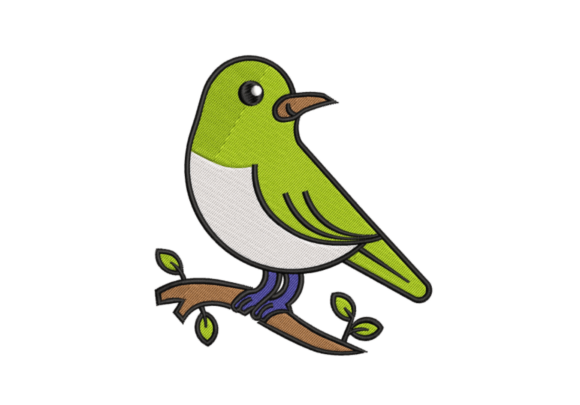
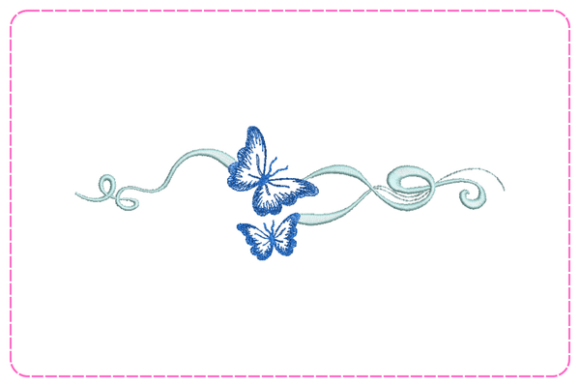
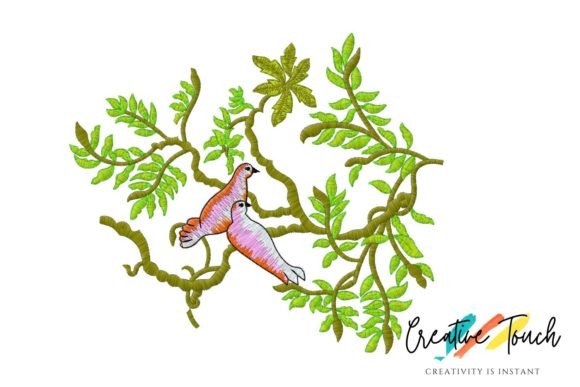
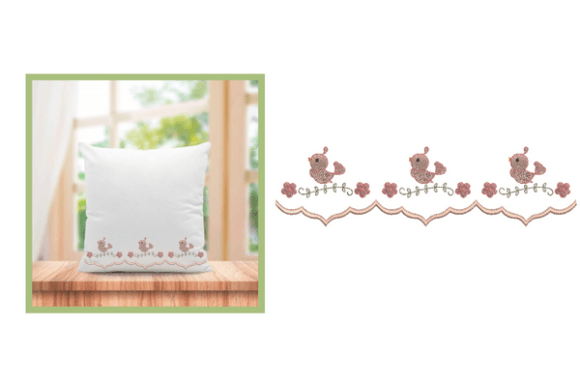
The initial impression of this embroidery file is one of immediate charm without sacrificing structural integrity. It belongs firmly in the category of whimsical yet practical design assets. The theme centers around avian motifs arranged in a continuous border format, which immediately suggests specific use cases: hemlines, pocket edges, pillow casings, and towel bands. It feels like a handmade product staple rather than a novelty item. When you look at the visual personality of the design, it strikes a balance between detailed enough to be interesting and simple enough to stitch reliably on standard home or commercial machines.
Real-World Application: From Screen to Stitch
To truly evaluate any embroidery project, you have to imagine it on a finished product. My first test scenario involved preparing a custom embroidered tote bag for a local craft fair. I wanted something that would appeal to both children and adults, suitable for a personalized gift or a boutique branding item. The Cute Bird Border Embroidery Designs fit perfectly along the top edge of a natural canvas tote. The contrast against the unbleached cotton was striking, and the border effect framed the empty space below beautifully, leaving room for a name or logo if needed.
I also tested this design on a soft, heather-grey sweatshirt. Here, the design’s ability to handle different thread colors shone. Because the birds are distinct entities within the border, I could use varied thread colors to create a playful palette without the design feeling chaotic. This versatility is crucial for an Etsy seller or small business owner who wants to offer customization options. If the design were too dense or intricate, offering multiple colorways would be risky due to potential blending issues. However, this design allows for clear separation between elements, making it ideal for custom apparel where individuality matters.
Another strong candidate for this design is nursery decor. I envisioned a set of matching baby burp cloths or a quilted blanket edge. The "cute" factor is high, which drives engagement on social media platforms. For a digital product seller, creating printable mockups of this design on baby items is almost effortless because the aesthetic aligns so naturally with current trends in home decor and apparel decorators kits. It signals warmth and care, qualities that buyers look for when purchasing gifts for new parents.
Performance and Technical Considerations
While the aesthetic appeal is undeniable, a professional review must address technical performance. How does the design behave during the stitching process? In my testing, the stitch density appeared balanced. It avoids the common pitfall of overly dense fill stitches that can cause puckering on lightweight fabrics. This makes it a safer choice for delicate materials like muslin or thin jersey knits, provided you use the correct stabilizer.
However, there are areas where caution is required. This is not a design intended for tiny applications. Trying to shrink it down to fit a miniature patch or a very small cap front might result in lost detail. The individual bird shapes, while charming, rely on a certain scale to be recognizable. If you attempt to embroider this on a curved surface like a baseball cap without proper hooping techniques, the border may distort. I recommend using a rigid backing or a specialized cap frame to maintain the straightness of the line.
Fabric texture also plays a significant role. On highly textured fabrics like terry cloth towels or thick fleece, some of the finer details of the birds might get lost. For these materials, I suggest increasing the size of the design slightly or simplifying the thread colors to ensure the main shapes pop. Conversely, on smooth fabrics like polyester blends or tightly woven cottons, the design will render with exceptional clarity. Always inspect the finished product closely under good lighting to ensure no loose threads or skipped stitches occurred, especially in the connecting parts of the border.
Strategic Use Cases for Commercial Success
For those running a craft business or managing an online store, understanding where this design fits best can maximize your return on investment. It excels in products that benefit from a decorative trim rather than a central focal point. Consider these applications:
- Kitchen Towels and Tea Towels: The border format is perfect for the bottom hem of a kitchen towel. It adds a touch of whimsy to a utilitarian item, making it a great impulse buy at a craft fair.
- Pillow Covers: Using the design as a band across the center or along the edge of a throw pillow creates a cohesive look. It pairs well with solid-colored fabrics, allowing the embroidery to stand out.
- Aprons: A bib apron offers a large, flat surface area. Placing the bird border along the neckline or the bottom hem can elevate a plain apron into a premium commercial embroidery item.
- Holiday Gifts: During the holiday season, this design can be adapted with seasonal thread colors (e.g., reds and greens) to create festive stockings or gift tags. Its neutral bird theme makes it adaptable beyond just spring or summer themes.
Designer’s Checklist Before Production
Before committing to a full production run or listing these items on your shop, follow these practical steps to ensure quality and customer satisfaction:
- Test on Scrap Fabric: Never assume a design will work on your target material without a test run. Stitch the design on a scrap piece of the actual fabric you plan to use. This reveals how the fabric texture interacts with the stitches.
- Check Thread Contrast: Ensure your chosen thread colors provide enough contrast against the background fabric. Low contrast can make the design look muddy or invisible, reducing the perceived value of the handmade product.
- Review Hoop Size: Confirm that the final digitized dimensions fit within your machine’s hoop size. If the design is larger than your hoop, you will need to rehoop, which can leave visible marks on the finished piece.
- Inspect Small Details: Zoom in on the digital preview. Are the eyes of the birds clear? Are the wing details too fine? If they are too small, consider simplifying the design or enlarging it before stitching.
- Black and White Mockup: Convert your design to black and white in your editing software. This helps you see the shape and flow of the design without the distraction of color. If the silhouette is weak, the color won’t save it.
- Confirm Licensing: As a designer, I cannot stress this enough. Check the license terms provided by the creator. Does it allow for commercial use of the finished physical items? Can you sell the digital file itself? Clarifying this protects your small shop product business from legal issues.
In conclusion, the Cute Bird Border Embroidery Designs is a solid addition to any library of digital embroidery files. It offers a blend of charm and functionality that appeals to a wide audience. Whether you are creating a unique personalized gift for a friend or stocking shelves for your craft business, this design provides a reliable foundation for beautiful results. Just remember to respect the technical limitations, choose your materials wisely, and always prioritize quality control. By doing so, you will transform a simple digital file into a cherished finished product that customers love.