Christmas Holly Leaves Embroidery Design Review
As an embroidery designer who has spent years testing patterns for both personal projects and commercial lines, I approach every new digital file with a mix of excitement and skepticism. The market is saturated, but the demand for personalized gift items remains incredibly strong. Recently, I had the opportunity to put the Christmas Holly Leaves Embroidery Design through its paces. My goal was not just to see if it stitched well, but to determine if it had the emotional resonance and visual quality required to sell as a high-end handmade product in my own shop.
This review is written from the perspective of a small business owner planning their holiday inventory. If you are an Etsy seller, a craft fair vendor, or someone looking to expand your custom embroidery offerings, this analysis will help you decide whether this design deserves a spot in your collection.
First Impressions: Mood and Visual Appeal
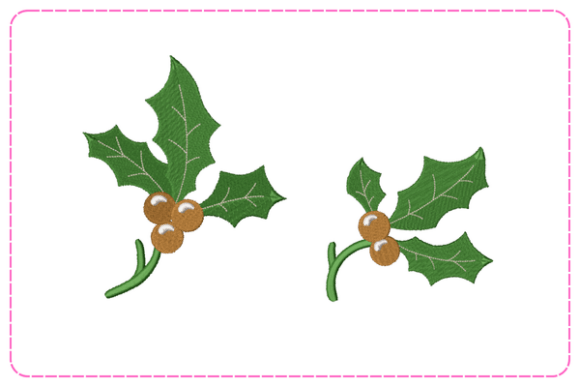
The moment I loaded the embroidery file into my software, the structure caught my eye. Unlike many generic holiday designs that rely on cluttered graphics or overly complex scenes, this pattern focuses on the elegance of the holly motif itself. It feels classic rather than trendy, which is crucial for longevity. The leaves have a natural curve, and the berries appear plump without looking cartoonish.
For a personalized gift, the mood is everything. This design strikes a balance between festive cheer and sophisticated decor. It does not scream "holiday" in a loud way; instead, it whispers it with grace. This makes it versatile. It works beautifully for a cozy winter aesthetic but also holds up surprisingly well on minimalist home decor items. When I imagined this on a customer’s shelf, I saw it paired with neutral tones—cream, charcoal, or deep navy—which allows the reds and greens of the thread colors to pop without overwhelming the eye.
Ideal Applications for Holiday Gifting
After reviewing the design’s layout, I began brainstorming specific products where this machine embroidery design would shine. The best handmade product ideas often come from matching the design’s scale to the item’s function.
- Embroidered Towels: A set of kitchen towels featuring this design is a top-tier gift idea. The holly pattern adds a touch of seasonal warmth to the most used room in the house. However, fabric texture plays a huge role here, so we must consider stitch density carefully.
- Pillow Covers: For nursery decor or living room accents, this design offers a refined look. It elevates a simple pillow cover from a basic craft project to a boutique item.
- Baby Embroidery: While holly is traditional, the clean lines make it suitable for baby blankets or burp cloths. It avoids the cutesy overload that sometimes alienates modern parents, offering a timeless keepsake instead.
- Wedding Gifts: Winter weddings are popular, and a custom monogram surrounded by these holly leaves creates a memorable wedding gift. It serves as a lasting memory of the season.
- Custom Tote Bags: For the eco-conscious shopper, a canvas tote with this subtle botanical print is both practical and stylish. It fits perfectly into the category of a small shop product that appeals to a broad audience.
Technical Considerations and Fabric Compatibility
No matter how beautiful a design looks on screen, its success depends on execution. Before committing to a full production run, I tested this design on various fabrics to understand its limitations. This step is vital for maintaining customer trust and ensuring a professional finish.
Fabric Texture and Thickness: The design performs exceptionally well on smooth cottons and linens. However, caution is advised when working with thick towels or heavily textured fabrics like chunky knits. On these surfaces, the finer details of the holly leaves may get lost, and the stitch density might cause puckering. For blanket embroidery using fleece or minky, the backing stabilizer becomes critical to prevent shifting.
Thread Color Contrast: One of the strengths of this file is its adaptability to different thread palettes. I recommend testing both light and dark fabric mockups. On dark fabric, ensure you use a dense underlay or a contrasting thread color for the background elements to maintain visibility. Conversely, on white or cream fabrics, the standard green and red threads provide a crisp, clean contrast that enhances the finished product’s perceived value.
Where to Use Caution
While this design is robust, there are specific scenarios where it requires careful handling:
- Small Lettering: If you plan to add names or dates near the holly motif, ensure the font size is large enough. Small text can become illegible if placed too close to the detailed leaves.
- Stretchy Baby Clothes: When embroidering on stretchy jersey or ribbed cuffs, always use a tear-away or cut-away stabilizer appropriate for the fabric weight. Without proper support, the design may distort during washing.
- Curved Surfaces: Items like hats or curved apron fronts require a 3D puff technique or specialized hoops. Flat embroidery on highly curved surfaces can result in uneven tension.
- Dark Fabric: As mentioned, contrast is key. Test thoroughly to ensure the design stands out clearly against darker backgrounds.
Impact on Giftability and Brand Perception
In the world of online selling, particularly for Etsy sellers and digital product creators, the visual presentation of your work drives sales. A well-executed digital embroidery file translates directly into buyer engagement.
When customers receive a personalized gift that features precise stitching, balanced composition, and high-quality thread, they perceive higher value. The Christmas Holly Leaves Embroidery Design contributes to this perception by offering intricate details that signal craftsmanship. It tells the buyer that time and care were invested in the creation process.
Furthermore, this design aids in product photography. Because the motif is elegant and not overly busy, it photographs beautifully against various backdrops. Whether styled with pinecones and cinnamon sticks for a rustic look or placed on a marble surface for a modern aesthetic, the design remains the focal point. This versatility helps small business owners create diverse marketing materials from a single asset.
Practical Pre-Production Checklist
To ensure your commercial embroidery efforts are successful, follow these practical steps before finalizing your orders:
- Test on Scrap Fabric: Never skip this step. Stitch the design on the exact fabric you intend to sell to check for puckering, tension issues, or color bleeding.
- Check Hoop Size: Confirm that the design fits comfortably within your hoop dimensions, leaving enough margin for framing or finishing edges.
- Review Stitch Density: Ensure the density is appropriate for the fabric type. Too much density on lightweight fabric can cause stiffness; too little on heavy fabric can look sparse.
- Use Proper Stabilizer: Match your stabilizer (cut-away, tear-away, or water-soluble) to the fabric’s behavior during washing and wear.
- Confirm Commercial Licensing: Always verify the licensing terms of the embroidery file. Ensure you have the right to sell finished products made with this design to avoid legal issues.
Final Thoughts
The Christmas Holly Leaves Embroidery Design is a strong addition to any holiday collection. Its blend of classic charm and technical precision makes it suitable for a wide range of applications, from intimate baby embroidery projects to polished wedding gift keepsakes. By understanding its strengths and respecting its limitations regarding fabric and stitch density, you can create handmade products that resonate emotionally with buyers.
For those looking to enhance their creative projects, this design offers a reliable foundation for building a profitable line of seasonal goods. It captures the spirit of the holidays without sacrificing elegance, making it a smart choice for crafters and small business owners alike. Remember to always preview your printable mockup and test your stitches to guarantee that every finished product meets the highest standards of quality.